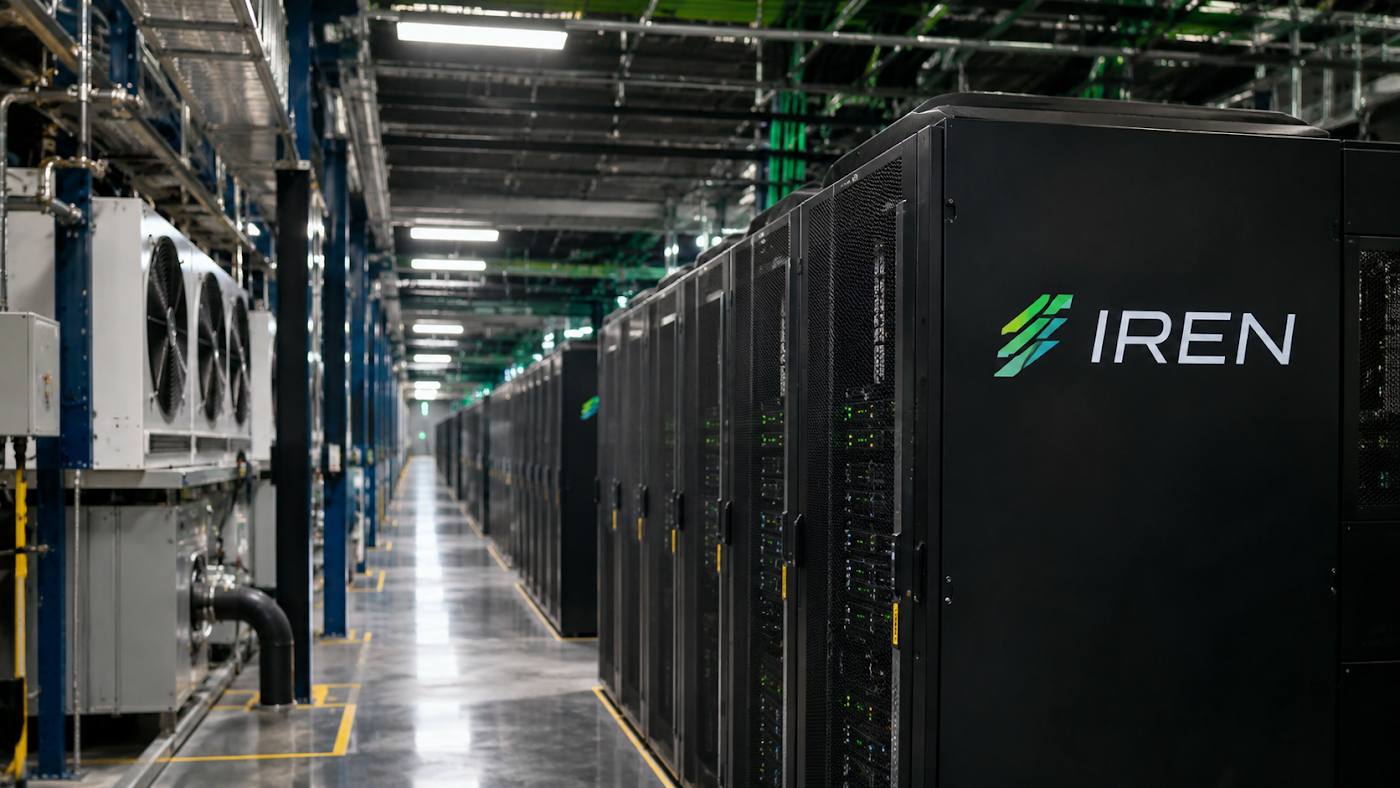
Wall Street sold the AI trade Thursday. Asia kept selling overnight.South Korea's Kospi closed down about 6% after a circuit breaker halted trading, its second straight drop of more than 5%. SK Hynix lost 10.4%. Japan's Nikkei fell about 6%, leaving it more than 20% below its June peak. The selling did not start with the election. Foreign investors pulled $31.8 billion from Taiwan's stocks in October, the most in data back to 2000, and $14.6 billion from Korea's, the Institute of International Finance said. U.S. futures are trying to take Thursday back, with Nasdaq-100 futures up about 1.6% after a 6.4% drop. Earnings led the single-stock moves. Cloudflare (NET) was indicated about 19% higher after lifting its revenue outlook to about $2.96 billion, above forecasts. Airbnb (ABNB) rose about 13%. Lam Research (LRCX), down 16% Thursday, gained about 12% after authorizing a $25 billion buyback. Micron (MU) and AMD (AMD) were indicated 8% to 9% higher after 17% drops. DraftKings (DKNG) was indicated about 20% lower after cutting its revenue and profit outlook. The Signal The bounce is led by the chip names that broke, while the selling has moved to the markets that supply them. October's record exit from Taiwan shows foreign money was leaving before the vote. Premarket bids can repair a price, but not a flow. Premier Feature Apple, Google, Tesla… Sure, they’re household names now, but these companies and the other members of the original Magnificent 7 didn’t start out obvious. They earned their place over time. Our analysts believe the next generation of market leaders is forming now… And we’ve identified the 7 companies that fit the “Magnificent” pattern. You can see the full list for free today Don’t wait until everyone’s talking about them. Get Your Free Report Today. Iran's claims are arriving faster than anyone can confirm them.Iran's Revolutionary Guards said two more tankers struck mines in and near the Strait of Hormuz overnight. Maritime officials had not confirmed the incidents. Brent dipped toward $97 before dawn, then recovered to near $99, slightly above Thursday's settle, which followed a nearly 4% rebound. U.S. crude traded near $91. The physical market is tighter than the price. U.S. distillate stockpiles, which include diesel and heating oil, sit below 100 million barrels, the lowest since 2003, Energy Department data show. Consultancy Eurasia Group still puts the odds of renewed U.S. strikes at 60%, down from 65%, and gives a deal 10%. Prediction markets still can't settle the last round. Polymarket's ceasefire contracts through Oct. 31 and Nov. 2 remain disputed at 99.95 cents, and open interest in the event rose to $3.62 million from $3.26 million, according to Polymarket data. Energy Signal Traders keep discounting a war that hasn't ended. Distillate stockpiles at a 23-year low and 60% strike odds suggest the supply risk is larger than the price shows. Brent swung about $4 overnight while the claims went unconfirmed. The inventory gap stays until supply returns. Central banks abroad are still planning for an oil shock that traders have partly sold.The Bank of England raised rates to 4% Thursday with forecasts that assume oil near $108 a barrel. Brent trades near $99. Chief economist Huw Pill still said "a single 25-basis point hike is unlikely to be sufficient." Norway's central bank held at 4.5% and said it is prepared to raise rates if needed. U.S. traders went the other way. Kalshi's December Fed hike contract, about 80 cents early Thursday, fell as low as 62 cents during the selloff and traded near 70 cents early Friday. The 2-year Treasury yield fell to about 4.46%. The 10-year sits near 4.84%, down from above 5.3% last month. Payrolls arrive this morning. Economists expect about 60,000 jobs after September's 29,000, with unemployment at 4.2%. CPI follows Tuesday, and the Treasury sells $125 billion of 3-, 10- and 30-year debt next week. Macro Signal Hike bets fell as stocks did, which fits the view that Thursday's rout did part of the Fed's tightening for it. Britain kept its hawkish guidance with oil about $9 below its own assumption. A firm payrolls print could pull the Fed back toward that camp. From Our Partners WARNING: A Major Market Shift Could Hit Stocks in late 2026If you have any money in the stock market, you may want to pay attention. New research points to a massive market-moving event that could send hundreds of popular stocks into a sudden free fall. Holding the wrong stocks when this hits could erase years of gains. That’s why analysts have now identified a list of stocks investors may want to avoid as this event unfolds. If you want to see what’s coming — and which stocks could be most at risk — Click here to get the full details before it’s too late. Private buyers are talking up cash flow and marking down promises.Silver Lake and Saudi Arabia's Public Investment Fund have held talks to take Unity Software (U) private, Reuters reported, citing people familiar with the matter. The group discussed a value of about $25 billion, above the roughly $21.5 billion market value Unity reached after its results. No deal is certain. Unity just posted its first GAAP profit since its 2020 listing and $220 million of free cash flow. Frontier AI is getting the opposite treatment. Thinking Machines Lab is close to raising $5 billion at a $40 billion valuation before the new money. This is below from the roughly $50 billion it had sought. Lenders are giving ground too. Morgan Stanley Direct Lending (MSDL) said its net asset value fell 3.8%, and its adviser will cut the base fee to 0.75% from 1% starting in January. KBRA's count of defaulted private-credit borrowers reached a record 112 over the 12 months through September, after its largest quarterly increase. Capital Signal Private money is drawing a line through the AI economy. Software that throws off cash is drawing talk of a value above its public price. A lab priced on future revenue is raising below its target. A lender whose marks are falling is cutting its own fees. Bitcoin steadied while Asia broke. The funds that own it had already left.Bitcoin traded near $76,000 overnight, roughly flat, as the Kospi tripped its circuit breaker. It had fallen about 5.5% on Thursday. U.S. spot bitcoin ETFs lost a net $430 million Thursday, according to data compiled by Farside Investors, and ether funds about $100 million. Fidelity's fund (FBTC) swung to a $200 million outflow from a $237 million inflow a day earlier. BlackRock's IBIT lost $105 million, its fifth straight outflow. Washington's risk is shifting from stalled bills to oversight. Sen. Elizabeth Warren, one of the industry's sharpest critics, is expected to chair the Senate Banking Committee in January, The Wall Street Journal reported. Her reported priorities include prediction-market insider trading. Stifel said the Clarity Act is "off the table" for the lame-duck session. IREN (IREN) showed where miners are going. Its bitcoin-mining revenue fell 58% from the prior quarter to $28 million as it cleared rigs for GPUs, while AI cloud revenue nearly tripled to $200 million. It pushed its target of more than $4 billion in annualized revenue to January and said it may slip to February. The stock was indicated about 18% higher. The Verdict Bitcoin's price steadied after its funds sold. ETF holders sold, a miner swapped rigs for GPUs and the Clarity Act stalled. Whoever bought Thursday's drop now has to keep buying. Asia took Thursday's losses and added to them.Iran claimed more tanker strikes that no one has confirmed. Britain hiked with forecasts built on $108 oil while the screen showed $99. Private buyers discussed a Unity value above its market price while an AI lab raised below its target. Bitcoin steadied after its funds sold. Payrolls land this morning, and Berkshire Hathaway reports Saturday. CPI arrives Tuesday, and CoreWeave reports next week. The bounce is in the futures. The verdict is in the jobs report. |
|