
Bitcoin stopped falling this week. The money kept leaving.It started near $61,200 early Monday, after a weekend low near $55,130. It spiked to about $64,200 Monday and dipped to about $57,300 Wednesday. It held near $60,000 through Thanksgiving. Late Friday morning it was back near $60,000. Ether traded near $1,670 late Friday morning, a little above last Friday's late level near $1,600. What changed was the gap between price and money. Price found a range. U.S. spot bitcoin funds lost about $1.25 billion in three sessions and set a monthly record for exits. One fund took most of the exit last week, and it kept selling this week. Holders sold to pay lenders. And the cash that funds crypto trading kept shrinking. Here are the six forces that drove crypto this week. Premier Feature Great Companies Don’t Stay Under the Radar ForeverMost great stocks look boring when the real opportunity begins. They’re still building scale, executing quietly, and being ignored by most investors. That’s often when long-term winners are made. The original market leaders didn’t become obvious overnight. Our analysts believe the same pattern is forming again. In These 7 Stocks Will Be Magnificent in late 2026, we highlight companies that may look unremarkable today… But you’ll soon see they all have the traits that historically define future market leaders. Get the full list free today. The Funds Sold Every BounceNovember exits from U.S. spot bitcoin funds reached $5.39 billion through Wednesday, the worst month since they launched. That tops June's record of $4.51 billion. The selling ran seven straight sessions through Wednesday. Monday took out $569.7 million, Tuesday $231.4 million and Wednesday $453.1 million. The worst of it came on the best day for stocks. The iShares Bitcoin Trust (IBIT) lost $509.3 million Monday, a day its shares rose 4.85%. It accounts for about $4.5 billion of November's exits. Rallies Became Exits Fund holders used the bounce to leave, not to add. Price held while flows set records. That gap is the week's main signal. A range built without fund buyers rests on traders, not on long-term owners. Nvidia Moved Bitcoin for an HourBitcoin jumped about 5% to near $64,200 within an hour of Nvidia reinstating Jensen Huang on Monday. Nvidia closed up 31.5% that day, and the Nasdaq had its best day since April 2025. About $400 million of crypto bets were wiped out in that hour, mostly bets against it, CoinGlass data show. By late Monday bitcoin was back near $61,300. Tuesday it fell about 2.5% with the chipmakers. Wednesday morning, Coinbase (COIN) touched $94.88 and Circle (CRCL) $43.11, both 52-week lows. Both closed higher. About $7 billion of bitcoin options expired Friday on Deribit with bitcoin above $60,000. Bearish bets dominated that expiry. Bad Days Count, Good Days Fade Bitcoin kept the Nasdaq's bad days and gave back its good ones. Monday's jump came from short sellers forced out, not new buyers. Crypto stocks fell first and bounced hardest. The market treats crypto as tech's riskiest corner, without the earnings. From Our Partners 
It's rarely a slow bleed. It's usually one trade that was too big, held too long, hoping it would come back. My Safe Trade Options Formula gives you 5 checks to run before that trade ever happens. Normally $29.97. Free through this link. Protect your account. Hot Data, Falling Yields, No BidCore PCE prices rose 3.3% from a year earlier in October, the fastest pace since November 2023. Third-quarter growth was revised up to 4.3%. The Beige Book found wages rising faster. Yet the 10-year yield fell to 4.85% Wednesday. Treasury Secretary Scott Bessent said many people believe the Fed risks overtightening. New York Fed President John Williams said inflation is "simply too high." Growth and inflation ran hot, and the 10-year yield fell anyway. Kalshi priced a December quarter-point hike at 93 cents Friday morning. A January hike traded near 53.5 cents on Polymarket Wednesday. Gold rose about 4% from Wednesday to near $3,700. Lower Yields Did Not Help Last week bitcoin fell as yields rose. This week yields fell, and bitcoin stayed flat. Gold took the relief. The hike is still priced for Dec. 9. Until hikes look done, bitcoin may not get credit for lower yields. Strategy Paid Its Own Investors FirstStrategy bought 457 bitcoin in the week through Nov. 22 for $29.6 million. It spent $211.8 million, about seven times as much, buying back its STRC preferred stock. It was another week of the same split. Its board also raised the cap on preferred buybacks to $4 billion from $3 billion. The board also let up to $1 billion move into general cash. That money came from its USD Reserve, which backs dividends and interest. The filing gives no reason. Strategy (MSTR) holds 851,305 bitcoin at an average cost of $75,446. Near $60,000, that is about $13.1 billion under cost on paper. The stock touched $70.37 Wednesday, a 52-week low. MSCI drops it from its indexes at Monday's close. The Credit Comes Before the Coin The largest corporate buyer is now protecting its preferred holders first. A bigger buyback cap and freed-up cash point the same way. Nothing forces Strategy to sell bitcoin. But its new money keeps going elsewhere. Partner Spotlight 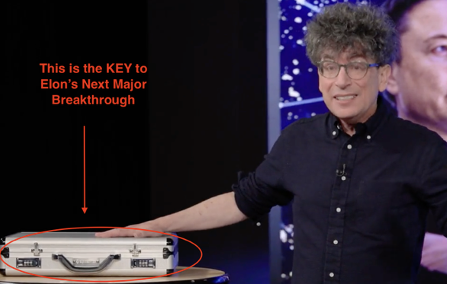
Renowned tech investor James Altucher – the man who called the rise of Nvidia, Apple and SpaceX years in advance – just uncovered Elon Musk’s latest breakthrough idea…And according to James, it’s going to be even bigger than the SpaceX IPO – creating up to 1.8 million new millionaires over the coming years. The pieces behind it are inside this briefcase – which he reveals 100% FREE in this video. Click here now for all the details. Holders Sold to Pay LendersCleanSpark sold or delivered 2,102 bitcoin in the September quarter. It mined 1,708. Its finance chief said selling more than it mines is one way to cut risk. CleanSpark (CLSK) posted a $987.1 million yearly loss, mostly from the falling value of its coins. Bit Digital (BTBT) sold 29,825 ether near $1,676 each, about $50 million. All of it went to halve a loan from Galaxy Digital. BlackRock's staked-ether fund paid 74 redemption baskets in three weeks. Its cash-ready ether fell to about 15.5% of holdings, from 23.6% in September. The Holders Are Now Supply Many miners and treasury firms said holding coins was the plan. This week their lenders set the terms. Sales to cut debt don't care about price. That adds supply just as fund buyers step away. The Trading Cash Kept ShrinkingTether's supply on Ethereum and Tron fell $8.1 billion in the 60 days to Nov. 23, the largest drop since August 2022. Stablecoins are the cash that funds crypto trading. Less of it means fewer dollars ready to buy. Sky had a second problem. Its co-founder said his own loan is part of why depositors can't withdraw from its stUSDS lending pool. He owes about 77 million USDS, roughly half the $159 million pool. Liquidations were switched off on the coins behind his loans. Upbit and Bithumb put SKY and USDS on caution lists. USDS held near $1. Washington moved on stolen money. The Justice Department filed to seize more than $1.1 billion of USDC tied to the Oct. 29 Binance theft. Circle agreed to issue new USDC to the U.S. if a court orders it. Fund Money and Stablecoin Money Left Together Both pools of crypto buying power shrank in the same month. Pegs held, but trust in who stands behind a stablecoin got thinner. Price can hold a range for a while. It needs fresh cash to leave one. Big Pharma’s new ‘AI co-scientist’ |
|