Friday ended with a split tape.The Dow fell 0.18%. The S&P 500 gained 0.17% and the Nasdaq rose 0.39%. The week was weaker underneath. The Dow lost 1.7%, its third straight weekly decline and worst week since March. The S&P slipped about 0.1%, while the Nasdaq gained 0.7%. Rates remain the pressure point. The 10-year Treasury yield moved back above 5% and traded near 5.006%. Markets now price about a 58% chance of another quarter-point Fed hike in October, up from 42% a week ago. Chair Kevin Warsh’s description of Wednesday’s hike as removing “a dose of accommodation” has kept the path open. Goldman Sachs now expects an October hike, while Bank of America sees moves in both October and December. The Signal Stocks stabilized, but rates did not. Bitcoin breaking $80,000 with the 10-year back at 5% is the stronger move Friday. Oil fell for a third session, but the supply problem remains.WTI dropped 2.3% to $99.32, while Brent fell 1.5% to $103.19. WTI finished the week roughly flat and Brent lost nearly 1%, though oil remains more than 5% higher since the Saudi pipeline attack. Saudi Arabia has pushed more crude through Hormuz to offset its damaged East-West pipeline. Flows reached about 2.8 million barrels per day over the past six days, up from roughly 700,000 barrels per day in August. Middle East oil flows have averaged about 17 million barrels per day over the past 10 days, according to JPMorgan, about 6 million below the 2025 average. Rapidan Energy expects the pipeline outage to restrict Saudi output and exports through at least September. Energy Signal Saudi Arabia has contained the pipeline shock, not removed it. Oil near $100 keeps inflation risk alive even after three straight declines. The Fed is no longer tightening alone.The Bank of Japan raised rates by 25 basis points to 1.25%, the highest since 1995. But markets read the decision as cautious. The yen weakened past 157 per dollar, Japanese bond yields fell, and the Nikkei gained about 1.5%. The vote was 7-2, with two officials favoring no change. Japan’s core inflation also slowed to 1.7% in August from 1.8% in July. Analysts still see another hike around year-end or early 2027. The Fed faces the opposite problem. Markets are raising October hike odds while the 10-year sits near 5%. Futures imply a fed funds rate around 4.64% by late 2027. Macro Signal The Fed and BOJ both tightened this week. Markets treated one as hawkish and the other as cautious. The difference is inflation and how much tightening investors think comes next. From Our Partners Buffett, Gates and Bezos Quietly Dumping Stocks—Here's Why 
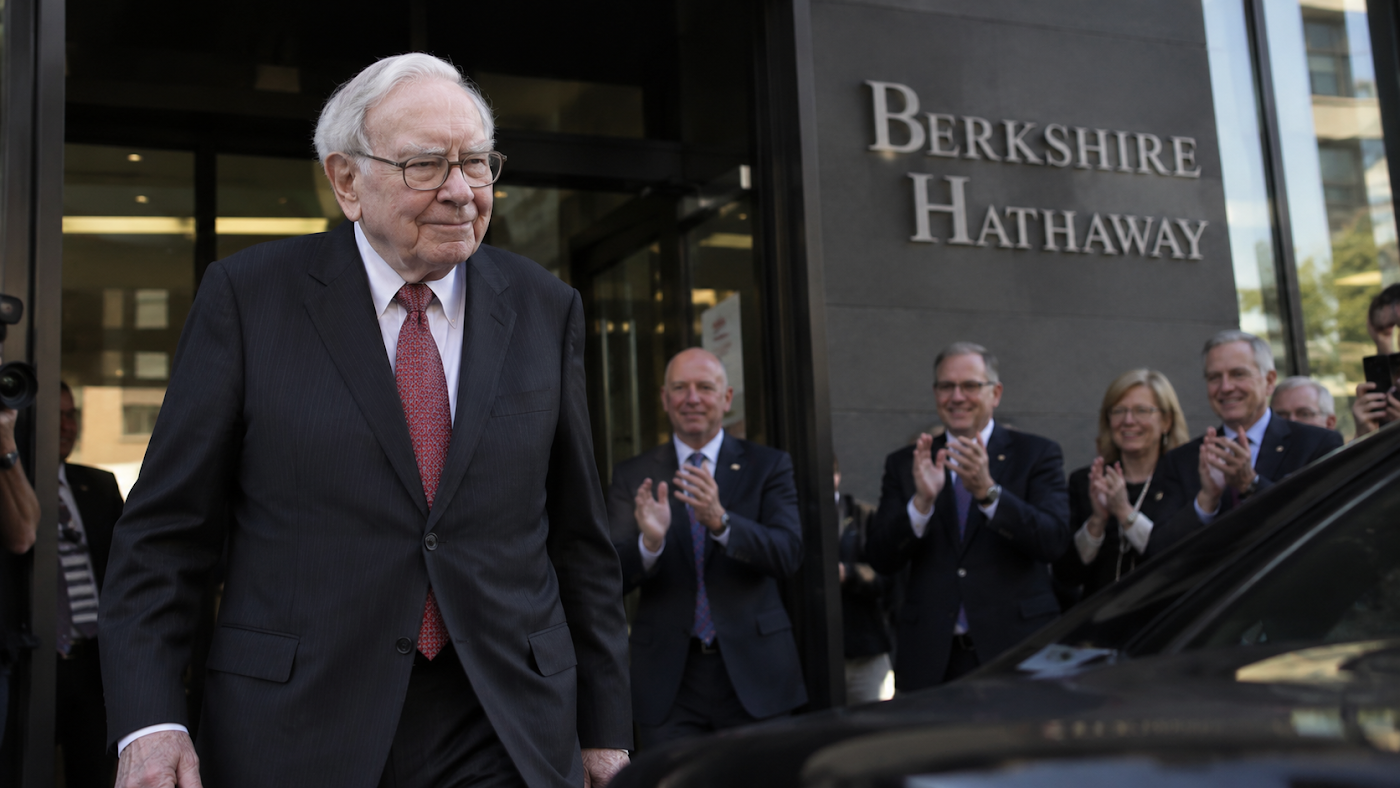
The world's wealthiest individuals are making huge moves with their money. Warren Buffett just liquidated billions of shares. Bill Gates sold 500,000 shares of Microsoft. Jeff Bezos filed to sell Amazon shares worth $4.8 billion. What is going on? One multi-millionaire believes they are preparing for a catastrophic event. But not a crash, bank run, or recession. It’s something we haven’t seen in America for more than a century. For the full story, click here. AI infrastructure keeps asking for more money.Nvidia-backed Nscale has filed for a U.S. IPO under the ticker NSCL and is seeking a valuation near $30 billion. It was valued at $14.6 billion earlier this year. First-half revenue surged more than 1,250% to $140.6 million, but its net loss widened to about $1.02 billion. Nscale says it has more than $103 billion in active and contracted deal value and over 10 gigawatts of power capacity in development. Its agreements include a six-year deal worth roughly $45 billion to supply Anthropic with AI computing capacity. The old capital cycle is changing too. Warren Buffett stepped down as Berkshire Hathaway (BRK.B) chairman at 96. Howard Buffett becomes chairman, while Greg Abel remains CEO with a $365.5 billion cash pile to deploy. Capital Signal AI infrastructure is still raising billions despite 5% Treasury yields. Nscale shows both sides of that trade: huge growth, huge contracts, and huge losses. Bitcoin finally broke the range.It jumped more than 5% Friday to reclaim $80,000 after spending recent weeks between roughly $75,000 and $78,000. Ether gained about 7.6%, Solana rose more than 12%, and Hyperliquid climbed roughly 10%. Hyperliquid also reached a record above $90 and launched manual borrowing against HYPE and Bitcoin collateral. The rally came even after CLARITY failed. Regulators are now filling the gap. The CFTC submitted a crypto-market rule package to the White House for review. Its full text is not yet public, but the agency has said it can use existing powers to build rules for crypto markets. That follows the SEC’s five-year exemption for limited onchain trading of tokenized U.S. stocks. A House panel has also advanced legislation covering a federal Strategic Bitcoin Reserve. Enforcement is moving too. Treasury sanctioned Tehran-based crypto exchange BitBank, alleging it moved hundreds of millions of dollars in Bitcoin to Iran’s IRGC and processed proceeds tied to payments for passage through Hormuz. Treasury says vessels were charged roughly $1 million to $2 million for safe passage. The sanctions did not list specific crypto wallet addresses, making screening harder for compliance teams. The Verdict CLARITY failed, but crypto policy did not stop. Bitcoin reclaimed $80,000 as the SEC, CFTC, House and Treasury each pushed a different part of the rulebook forward. Partner Spotlight 
Could This Stock Be “Trump’s Next Big Buy”?Jim Rickards believes the Trump administration is about to take a direct stake in a tiny $2 stock. The Trump administration has taken a direct stake in MP Materials, Lithium America, Trilogy Metals, and USA Rare Earth. Each time, shares sprinted higher. Click here to see why Jim believes this one is next. Friday ended with Bitcoin and bonds telling different stories.The 10-year returned to 5%. October Fed hike odds climbed to about 58%. Oil remained above $100. Bitcoin rallied anyway. That move came as regulators showed they will not wait for Congress. The SEC opened tokenized stocks. The CFTC sent new crypto rules for review. Treasury expanded enforcement tied to Iran and Hormuz. AI capital is showing the same pattern. Nscale is seeking a $30 billion valuation despite large losses and high rates. The cost of money is rising. Capital is still moving where the build continues. |
|