


The S&P 500 closed at another record after July payrolls fell by 23,000. Treasury yields dropped as September hike odds faded, while Hormuz negotiations remained stuck over control of the strait.
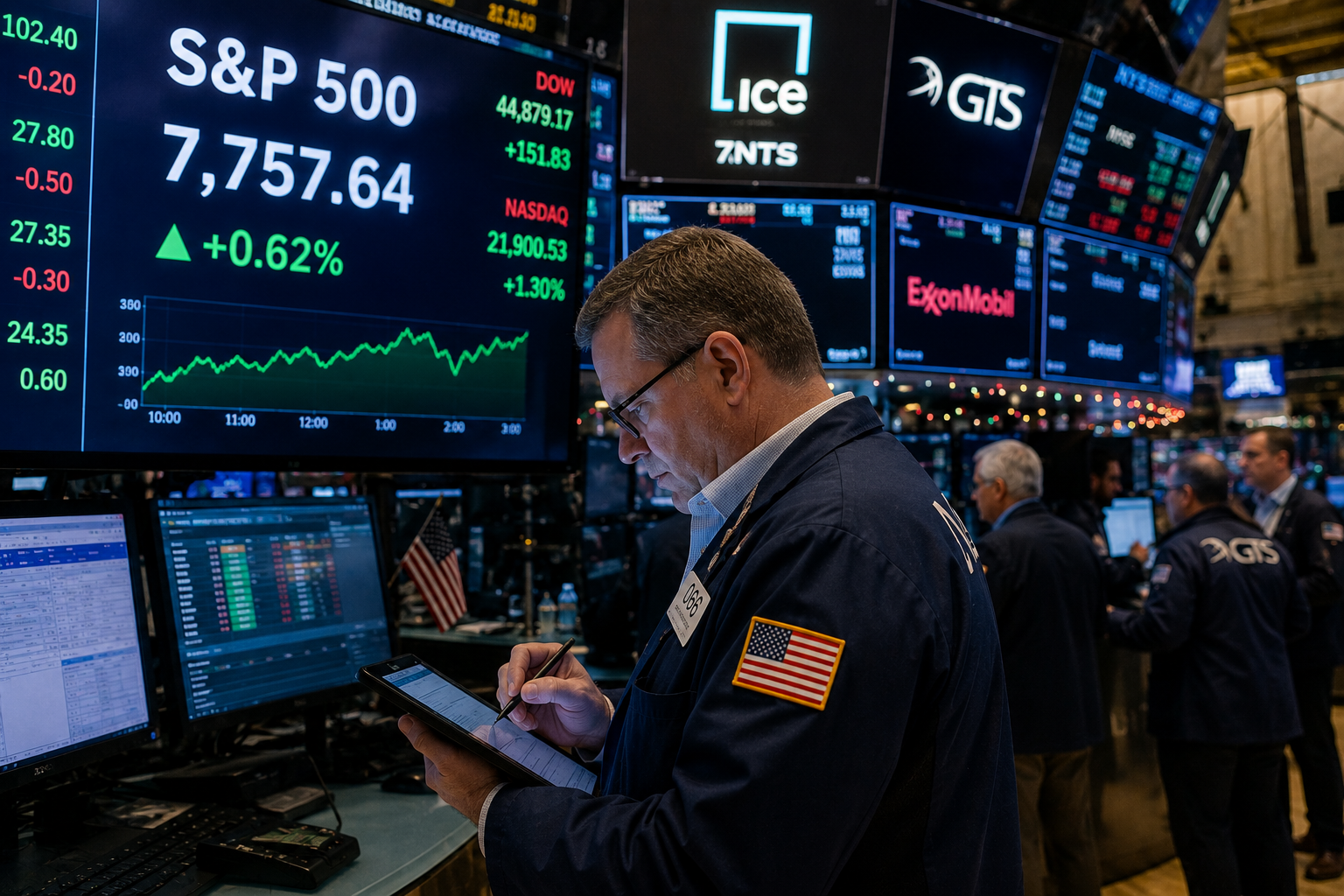
Markets finished the week with a simple message.
Bad labor news became good market news.
The S&P 500 rose 0.62% to another record. The Nasdaq gained 1.3%, while the Dow added 0.28%.
All three indexes posted their strongest week since April. The S&P climbed 3.6%, the Nasdaq gained 5.2%, and the Dow rose nearly 3%. Chip stocks led again, with the SOXX Semiconductor ETF advancing more than 7% for the week.
The catalyst was the jobs report.
July payrolls fell by 23,000 against expectations for an 83,000 gain. The unemployment rate slipped to 4.1%, but only because labor force participation dropped to 61.4%, its lowest level in more than five years.
Treasury yields fell as investors reduced expectations for a September rate hike.
Markets ended the week believing weaker labor matters more than stubborn inflation.
The Signal
A weaker jobs market lowered rate expectations. Investors bought stocks because they expect the Fed to wait.
Mode Mobile won't be under-the-radar much longer.
The price on pre-IPO shares goes up August 14 — and over 60,000 investors have already put in more than $100 million, including Shark Tank's Kevin Harrington.
Mode is still private — but the Nasdaq ticker $MODE is already secured. And this price change could signal a public listing is getting closer.
The traction is already there:
- 490M+ users
- $115M+ lifetime revenue
- $1B+ earned and saved by users
- 170+ countries served
- Deloitte's #1 fastest-growing software company in North America — 32,481% growth
Uber turned cars into taxis. Airbnb turned homes into hotels. Mode is turning everyday phone use into something that pays you back.
This isn't early-stage hype. It's about timing.
The labor market looks stable until you look underneath.
July payrolls contracted for the first time in months. The revisions were equally damaging. June was revised to a loss of 20,000 jobs, while May was cut sharply lower. Hiring has slowed to an average of just 26,000 jobs per month over the past year.
Long-term unemployment appeared to improve, falling by 64,000 to roughly 1.8 million people. Economists do not see that as good news. Workers unemployed for more than 27 weeks now represent 25.5% of total unemployment, down from 27.3% in June, largely because many discouraged workers stopped looking for jobs altogether.
That also explains why unemployment fell to 4.1%. People who leave the labor force are no longer counted as unemployed.
The labor market remains stuck in what economists call a low-hire, low-fire economy. Employers are not laying off many workers, but they are not hiring either.
The Hidden Weakness
Payrolls fell. Participation fell. Long-term unemployment fell for the wrong reason. The headline improved while the labor market weakened underneath.
Markets continue pricing the deal that has not been signed.
This week's rally began after Treasury Secretary Scott Bessent and President Trump repeatedly suggested a Hormuz agreement could arrive within days. Stocks climbed, oil fell, and Treasury yields eased as investors priced lower geopolitical risk.
Iran described a different negotiation. Tehran denied direct talks with Washington and said discussions remain limited to Oman and shipping management. Iranian officials continue pushing a framework that would restrict U.S. and Israeli vessels while preserving Iranian control over parts of the waterway.
Traffic tells the real story.
Only two vessels crossed Hormuz on Wednesday, compared with roughly eight the day before and more than 130 daily before the conflict. Bab el-Mandeb traffic has also nearly disappeared.
The Framework
Markets keep buying the headlines. Shipping keeps reflecting the reality. The gap between the two remains wide.
Satellite Confirms: Elon Musk Activating Strange 'Dark Energy' Across U.S. South

Confirmed by satellites 300 miles above the Earth's surface... Elon Musk is rolling out a breakthrough technology that could replace our need for foreign oil and ignite a $10 trillion boom a small group of stocks. Click here to learn how you can invest in this before it becomes mainstream.
The Fed debate changed faster than inflation.
Treasury yields moved lower immediately after payrolls disappointed. The 10-year yield fell toward 4.64%, while the two-year dropped to around 4.19% as traders sharply reduced expectations for a September hike.
Markets now see roughly a 60% to 65% chance that the Fed holds rates steady next month. Only days ago, investors viewed another increase as nearly equally likely.
That does not end the debate. Inflation remains elevated, oil is still trading near $80, and October and December continue to carry meaningful odds of another hike.
The next major test is CPI next week.
The Policy Shift
Employment weakened enough to delay the next hike. Inflation still decides whether it disappears.
This week separated execution from narrative.
Software stocks spent the week proving that AI is not killing every SaaS company. HubSpot (HUBS), Datadog (DDOG), and Figma sold off sharply after disappointing guidance, fueling another round of the "SaaSpocalypse" debate.
Then the market answered back. Atlassian (TEAM) surged 35% after its strongest quarter in years. Twilio (TWLO) gained more than 25%. Cloudflare (NET) climbed again after stronger guidance.
The lesson was simple. Investors are no longer selling software because of AI alone. They are rewarding companies that show customers, profits, and durable demand.
Crypto is moving through a similar transition. Coinbase (COIN), Kraken and Circle (CRCL) are building infrastructure for AI agents rather than relying only on speculative trading. Circle's Arc network and stablecoins aim to become payment rails for automated software systems, while exchanges are adding tools that allow AI agents to trade and manage assets directly.
The next growth cycle may come from machines using crypto instead of people buying tokens.
The New Infrastructure
The market is paying for execution again. Whether it is software or crypto, investors want products that solve real problems.
Middle East Conflict Lights Fuse on US Debt Bomb
America was already drowning in $38 trillion of debt, but the recent conflict in the Middle East just accelerated the timeline.
As oil spikes, a 100-year-old stock market signal that accurately predicted the 2008 and 2020 crashes is flashing a massive "Sell" on dozens of popular U.S. equities.
If you hold the wrong stocks when this debt crisis hits, it could wipe out years of gains.
Click here to see the 10 popular stocks to dump immediately
11780 US Highway 1, Palm Beach Gardens, FL 33408-3080 Would you like to edit your e-mail notification preferences or unsubscribe from our mailing list? Copyright © 2026 Weiss Ratings. All rights reserved.
The week ended with markets looking through today's weakness toward tomorrow's policy.
Payrolls contracted. Participation fell. Long-term unemployment improved only because workers stopped searching. Stocks still reached another record because investors believe the Fed now has more room to wait.
Hormuz remains unresolved. Markets continue reacting to every headline, while shipping activity shows the dispute is still far from settled.
Software reminded investors that AI rewards execution, not categories. Crypto is making the same argument by shifting toward infrastructure, stablecoins, and AI-powered financial systems instead of speculation alone.
The labor market weakened. Markets celebrated. The next inflation report decides whether that celebration lasts.
