


South Korea's KOSPI surged and triggered a trading halt. AWS grew 37% to $42.2 billion. Apple beat on revenue but warned of supply constraints. Bitcoin held near $65,000 as Strategy absorbed an $8.2 billion unrealized loss. ExxonMobil and Chevron report before the open.
The week ended where it began.
With chips.
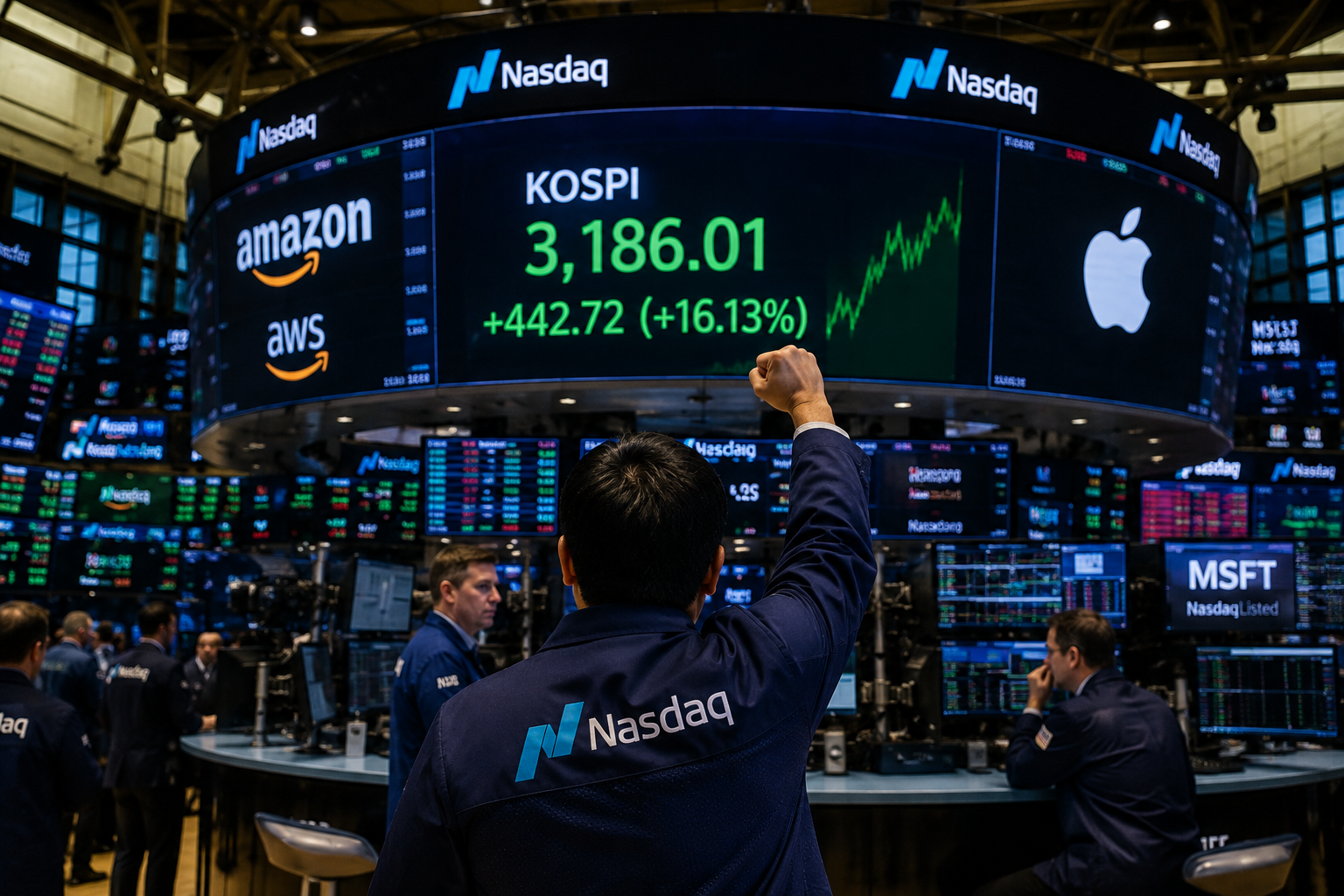
South Korea's KOSPI surged almost 18%, capping the end of a volatile week that saw multiple circuit breakers tripped. Samsung Electronics climbed 25%. SK Hynix jumped 27%. Only four sessions ago, both stocks were down more than 13% as investors feared Chinese memory competition. Now they have nearly completed the round trip.
The reason arrived after Thursday's close. Amazon (AMZN) reported AWS revenue of $42.2 billion, up 37% from a year ago and well ahead of expectations. That matched what Microsoft (MSFT) proved one day earlier.
AI infrastructure is no longer just a spending story. It is becoming a revenue story.
U.S. futures moved modestly higher. Nasdaq 100 futures gained 0.9%. S&P 500 futures added 0.25%. Dow futures rose 0.46%.
Apple (AAPL) limited some of the optimism after warning that supply constraints could weigh on future results despite another strong quarter.
Investors now turn to ExxonMobil (XOM), Chevron (CVX), and the University of Michigan consumer sentiment report before the opening bell.
The Signal
Microsoft proved the AI story. Amazon confirmed it. Apple reminded investors that execution still matters.
Mode Mobile won't be under-the-radar much longer.
The price on pre-IPO shares goes up August 14 — and over 60,000 investors have already put in more than $100 million, including Shark Tank's Kevin Harrington.
Mode is still private — but the Nasdaq ticker $MODE is already secured. And this price change could signal a public listing is getting closer.
The traction is already there:
- 490M+ users
- $115M+ lifetime revenue
- $1B+ earned and saved by users
- 170+ countries served
- Deloitte's #1 fastest-growing software company in North America — 32,481% growth
Uber turned cars into taxis. Airbnb turned homes into hotels. Mode is turning everyday phone use into something that pays you back.
This isn't early-stage hype. It's about timing.
Oil finishes July with its strongest monthly gain since March.
Brent traded near $89. WTI held around $84. Prices briefly moved above $100 earlier this month before easing as diplomacy reduced part of the geopolitical premium.
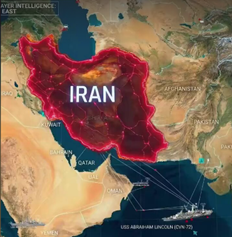
The conflict remains active. Iran struck a U.S. military base in Jordan. The United States responded with another round of airstrikes against IRGC targets.
The Caspian Pipeline Consortium also suspended oil loadings after tanker attacks near its Black Sea terminal, widening supply concerns beyond the Strait of Hormuz.
Inventories continue tightening. U.S. crude stockpiles posted their largest draw since mid-June. Strategic petroleum reserves remain at their lowest level since 1983.
Diplomacy continues through Oman. Military action continues at the same time. Markets are learning that both can exist together.
Energy Signal
Oil enters August with tighter inventories, new supply risks, and no signed agreement in sight.
Growth slowed. Inflation did not.
Second-quarter GDP increased 1.5%, below expectations for 2.1%. The slowdown came from weaker government spending and a wider trade deficit driven by AI hardware imports.
Consumer demand remained stronger than the headline suggested. Consumer spending increased 3.2%. The savings rate fell to 2.7%, its lowest level in four years. Core PCE remained at 3.4%, unchanged from May's three-year high.
That leaves the Federal Reserve in a difficult position. The Fed held rates this week at 3.50% to 3.75%. Three officials voted for an immediate rate hike. Markets now price roughly a 54% chance of another increase in September.
Treasury yields continued climbing. The 10-year reached 4.70%. The 30-year rose to 5.24%, its highest level in 19 years.
Macro Signal
Growth is slowing. Inflation is not. That keeps another Fed hike firmly on the table.
The REAL Reason Trump Is Invading Iran
For a moment…
Forget about Trump’s ties to Israel.
Forget about reports of Iran’s nuclear program.
Because my research has led me to believe we’re risking World War 3 with Iran for a completely different reason.
Click here to find out what it is.
If you have even a single dollar invested in the U.S. stock market, this is going to directly impact you.
Amazon delivered the week's second major AI victory.
AWS revenue grew 37% to $42.2 billion, its fastest expansion since 2021. CEO Andy Jassy said demand remains strong across AI services.
Trainium and Graviton have now surpassed a $20 billion annualized revenue run rate, giving Amazon another advantage inside cloud infrastructure. Shares jumped 9% after hours.
Apple reported another strong quarter. Revenue reached $109.4 billion. EPS came in at $2.02 versus expectations of $1.89. iPhone revenue increased 22%. Mac revenue rose 29%.
Yet the stock fell after management warned that supply constraints could limit future growth. The market rewarded the quarter. It punished the guidance.
Microsoft remained the week's biggest winner. Shares gained 16% on Thursday alone after Azure grew 43%.
Investors also welcomed disciplined capital spending instead of another surprise increase.
Coinbase (COIN) moved in the opposite direction. The company reported a $359 million net loss on $1.22 billion in revenue. Transaction revenue fell 21% as trading activity remained weak. Subscription and services revenue held at $555 million, showing the business continues shifting toward recurring income.
Capital Signal
Microsoft and Amazon proved AI spending is producing revenue. Apple showed guidance now matters as much as results.
Strategy reported an $8.22 billion net loss.
Almost all of it came from an unrealized markdown on its Bitcoin holdings. The company now owns 843,775 BTC purchased at an average price of $75,476. The portfolio is worth about $54.8 billion against a cost basis of $63.7 billion.
The balance sheet told a different story. Strategy raised $8.41 billion through equity programs during the quarter. Convertible debt fell 18% to $6.7 billion. Cash reserves reached $3.75 billion. Management also launched a $1 billion preferred share repurchase program.
Bitcoin traded near $65,000 after recovering from this week's lows. ETF outflows paused as stronger technology earnings improved overall risk appetite.
Meanwhile, the CLARITY Act enters its final realistic window before the Senate begins its August recess. Prediction markets now place the odds of passage this year near one in three.
The Verdict
Strategy strengthened its balance sheet despite an $8.2 billion paper loss. Bitcoin stabilized. The next catalyst may come from Washington instead of Wall Street.
15X Bigger Than SpaceX: Elon's New Launch

While the rest of the market goes crazy for "the mother of all IPOs", a new Elon Musk innovation is quietly being rolled out nationwide. It's been 27 years in the making, and it could have a radical impact on how millions of people manage their money… and even collect Social Security. Here's everything you need to know.
This ad is sent on behalf of InvestorPlace Media at 1125 N. Charles Street, Baltimore, Maryland 21201. If you're not interested in this opportunity, please click here.
July ended with a much clearer market.
Microsoft and Amazon proved that AI infrastructure spending is translating into cloud revenue. Apple reminded investors that strong results are no longer enough if future growth slows. Meta showed that higher spending without stronger cash flow still carries a cost.
The macro picture remains far less comfortable. Growth slowed. Inflation stayed elevated. Treasury yields reached new cycle highs. The Fed left the door open to another hike.
Oil finished the month almost 20% higher despite easing from its highs. Bitcoin recovered while Washington's crypto legislation moved closer to its deadline. August begins with fewer questions about AI demand.
The bigger question now is whether stronger corporate earnings can continue offsetting slower growth, higher yields, and an inflation problem the Fed has not yet solved.
