


The Nasdaq jumped 2.5% after Microsoft proved AI spending is producing revenue. Amazon followed with booming AWS growth. Apple beat on iPhone strength but slipped after services missed. GDP slowed, yet inflation stayed well above the Fed's target.
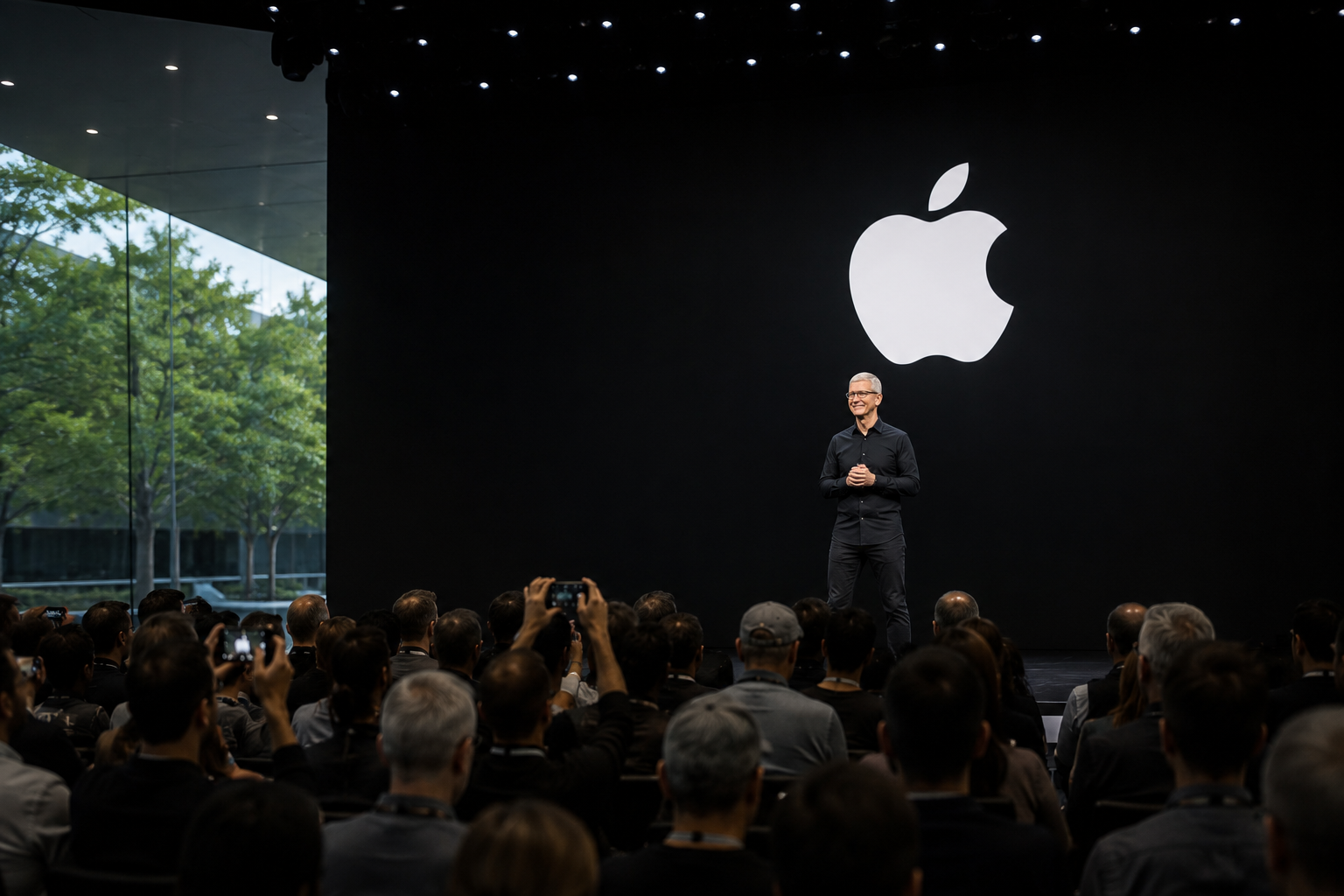
The market finally found its receipt.
Wednesday's selloff became Thursday's rebound.
The move began with Microsoft (MSFT). The company delivered one of its strongest quarters in years.
That changed the conversation around AI spending. Investors had spent weeks questioning whether hundreds of billions of dollars flowing into data centers would ever produce meaningful returns.
Not every AI company joined the rally.
Meta Platforms (META) fell about 9%. Investors focused on softer guidance and a 91% drop in free cash flow instead of another increase in AI spending.
Treasury yields stayed elevated. The 30-year Treasury remained close to its highest level since 2007. The bond market did not change its view. Equity investors simply found a company capable of earning through higher financing costs.
The Signal
The market is no longer buying AI promises. It is buying AI revenue.
A Tiny Government Task Force Just Finished a 20-Year Mission.
Almost no media coverage. Almost no public awareness.
But what they confirmed is one of the largest U.S. territorial expansions in modern history — a resource claim worth an estimated $500 trillion.
Thanks to sovereign U.S. law, this isn't just a national asset. It's an "American birthright."
Every citizen now has the legal right to stake a claim. Very few even know it exists.
The first profits will go to those who move early.
Get the full briefing while the "claim" window remains open
— Dylan Jovine, CEO & Founder, Behind the Markets
Oil stepped back.
WTI traded near $78. Brent moved toward $83. The decline followed several days of easing geopolitical tensions around the Strait of Hormuz. Diplomatic talks continued through Oman while shipping traffic remained open. Lower crude prices also helped ease inflation pressure during June.
Energy goods and services fell 5.9%. Gasoline prices dropped 9.2%. That relief helped the latest inflation report, even though overall price pressures remained too high for the Federal Reserve.
Markets also understand how quickly that picture can change. The Strait of Hormuz remains one of the world's most important energy corridors. Any disruption could quickly reverse the recent decline in crude prices.
For now, energy has become a supporting story rather than the market's main driver. Technology earnings have replaced oil as the biggest influence on investor sentiment.
Energy Signal
Oil is giving inflation some relief.
AI earnings are now setting the direction for equities.
Growth slowed. Inflation did not.
The U.S. economy expanded at a 1.5% annualized pace during the second quarter. Economists expected 1.8%. Growth also slowed from 2.1% during the first quarter.
The headline looked weak. The details looked stronger. Consumer spending increased 2.1%. Final sales to private domestic purchasers rose 3.9%, showing underlying demand remains healthy.
The bigger concern remained inflation. Headline PCE stood at 3.7%. Core PCE, the Fed's preferred inflation measure, increased 3.3% from a year ago. Monthly core inflation rose only 0.1%. Housing inflation continued easing. Lower energy prices also helped.
Consumers kept spending despite rising prices. Income increased only 0.2%. The savings rate fell to 2.7%, the lowest level in four years.
That combination tells a clear story. Consumers are still supporting the economy, but they are using more of their savings to do it.
The Fed's problem has not disappeared. Inflation remains well above its 2% target even as growth begins slowing.That leaves policymakers balancing weaker economic momentum against stubborn price pressure.
Macro Signal
Growth is cooling. Demand remains firm. Inflation is still winning the Fed's attention.
Wall Street's "Smart Money" is Poised to Flood into this Little-Known Market on October 13th.
The "Smart Money" is banging at the doors to get in. As this tiny $64 billion market is poised to soar to $1.3 TRILLION. PayPal founder, Peter Thiel, quant fund Susquehanna, and the owner of the NYSE are early investors. But on October 13, Goldman Sachs could unleash a "Smart Money" tidal wave. Click here to see the one move you can make today to beat them to the punch.
This ad is sent on behalf of InvestorPlace Media at 1125 N. Charles Street, Baltimore, Maryland 21201. If you're not interested in this opportunity, please click here.
Thursday divided the AI trade into two groups.
Companies proving returns. Companies still asking investors for patience.
Microsoft led the first group. Azure growth accelerated to 43%. Microsoft 365 Copilot surpassed 30 million paid seats. Those numbers suggested Microsoft's enormous investment in cloud infrastructure is beginning to generate measurable revenue.
Amazon (AMZN) reinforced that message after the closing bell. Revenue reached $200.61 billion, ahead of expectations.
AWS generated $42.2 billion in revenue. Cloud growth accelerated to 37%, far above forecasts for 31%. It was AWS's fastest growth since 2021. The company also reported a record AWS backlog of $496 billion.
CEO Andy Jassy described the cloud business as "booming." Trainium and Graviton each now support businesses running above a $25 billion annual revenue pace. The investment remains expensive. Capital expenditures reached $54.2 billion. Trailing twelve-month free cash flow turned negative by $7.6 billion. Investors accepted those costs because revenue accelerated alongside them.
Apple (AAPL) delivered another strong quarter. Revenue reached $109.42 billion. Net income climbed to $29.79 billion. Earnings reached $2.02 per share. iPhone revenue jumped 22%. China revenue also increased 22%. Mac revenue climbed nearly 29%. Services remained the weak spot. Services revenue missed expectations. Higher memory costs also remain a challenge. Shares slipped after hours despite beating revenue estimates.
The contrast with Meta became even clearer. The market rewarded companies that paired AI spending with accelerating revenue. It punished companies where cash burn continued growing faster than returns.
Capital Signal
Microsoft and Amazon justified the spending. Apple showed consumer demand remains healthy. Meta is still waiting for the payoff.
Crypto remained stuck between improving adoption and difficult macro conditions.
Bitcoin continued trading in a narrow range. The bigger news came from Coinbase (COIN).
The company reported another disappointing quarter.
Shares fell more than 5% after hours. Revenue reached $1.2 billion, below expectations. The company reported a loss of $1.36 per share. Net loss totaled $359.5 million. It was Coinbase's third straight earnings miss.
The business continues changing. Subscription revenue reached $555 million. Transaction revenue totaled $599 million. The gap between the two continues narrowing as Coinbase relies less on trading activity.
Higher interest rates remain a challenge. Spot Bitcoin ETF flows have weakened. Bitcoin itself has spent weeks trading sideways. Until either macro conditions improve or digital asset prices break higher, crypto businesses are likely to remain under pressure.
The Verdict
Crypto infrastructure continues improving. The market is still waiting for stronger demand.
Ticker Revealed: Pre-IPO Access to the "Next Elon Musk" Company
We’ve found The Next Elon Musk… and what we believe to be the next Tesla.
It’s already racked up $26 billion in government contracts.
Peter Thiel just bet $1 Billion on it.
And you can get exposure — pre-IPO — through a 4-letter ticker symbol revealed in this free briefing.
Thursday answered one question that has shaped markets all summer.
Can AI spending produce real returns?
Microsoft answered yes. Amazon answered yes. The two largest cloud providers showed enterprise demand continuing to accelerate despite higher interest rates and rising infrastructure costs.
Meta reminded investors that spending alone is no longer enough. Apple showed consumer demand remains healthy even as services growth slows.
The macro backdrop also became clearer. Growth is slowing. Inflation remains elevated. The Fed is unlikely to become more accommodating anytime soon. That means companies must now deliver results instead of promises.
For months, investors accepted almost any AI spending announcement. Thursday changed that standard. Revenue matters. Cash flow matters. Proof matters most. That is why Microsoft's earnings became far more important than one strong quarter. They became the first clear evidence that the largest AI investment cycle in history is beginning to pay for itself.
