


The Fed held rates but three officials voted to hike, the biggest hawkish dissent since 2016. Microsoft and Amazon proved AI spending is turning into revenue. Meta and Apple stumbled. Korean chip stocks crashed twice, then surged back. Oil swung more than 15 percent in both directions.
This was the week the AI trade got its clearest answer yet. Everything else stayed messy.
The Fed held rates at 3.50 to 3.75 percent. Three officials voted for a hike anyway. That was the biggest hawkish dissent since 2016. Stocks fell hard the same day. Treasury yields jumped to fresh highs.
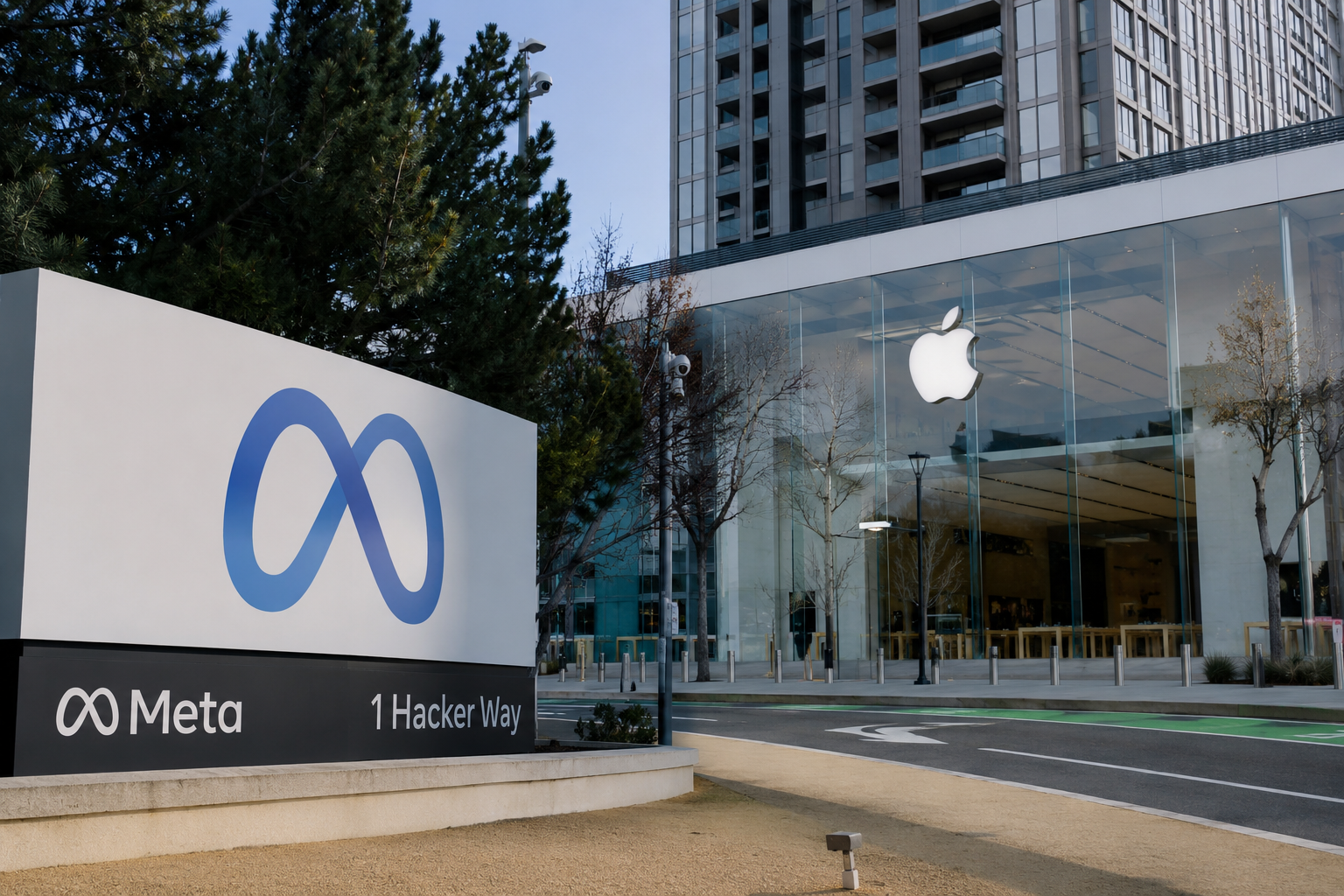
Then earnings flipped the story. Microsoft (MSFT) beat hard on cloud growth. Amazon (AMZN) followed with an even bigger cloud beat. Both stocks jumped. Meta (META) and Apple (AAPL) told a different story. Meta's cash flow collapsed. Apple beat on revenue but warned about supply problems ahead. Its stock fell anyway.
Korean chip stocks had the wildest week of all. A Chinese memory chip maker's huge stock market debut sparked fear of new competition. South Korea's main index crashed twice, triggering circuit breakers. By Friday, it had surged back almost all the way.
Oil moved more than 15 percent in both directions as the US and Iran swung between a ceasefire and new attacks. And away from the AI names, a handful of old economy stocks quietly had one of their best weeks of the summer.
Here are the seven themes that mattered most.
7 Buy-and-Hold Stocks You’ll Wish You’d Found Sooner
Not every great buy-and-hold stock is a household name. Our 7 Stocks to Buy and Hold Forever report includes under-the-radar leaders quietly dominating their niches - alongside global brands with unmatched staying power.
Together, they form a portfolio core that can produce rising income and steady growth year after year.
You can get the entire list free today… but only if you act before it moves behind the paywall.
The Fed Held, But Three Officials Wanted to Hike
The Fed left rates unchanged at 3.50 to 3.75 percent Wednesday. That was expected. What was not expected was the vote itself. Three officials, Beth Hammack, Neel Kashkari, and Lorie Logan, all dissented in favor of raising rates. That was the largest pro hike dissent since 2016.
Stocks sold off hard. The Dow fell more than 1,100 points, its worst day since April 2025. Treasury yields jumped. The 10 year climbed above 4.68 percent. The 30 year rose above 5.20 percent, its highest level in 19 years.
Chair Kevin Warsh gave little new guidance. Markets filled that silence by pushing yields higher and pricing in a bigger chance of a September hike.
The Takeaway
A hold with three hawkish votes is not the same as a quiet pause. Markets now treat September as a real possibility, not a distant one.
Microsoft and Amazon Proved AI Spending Pays Off
Microsoft reported revenue of $90 billion, up 18 percent. Azure cloud growth accelerated to 43 percent. Annual Azure revenue passed $100 billion for the first time. The stock jumped 16 percent in a single session.
Amazon followed one day later with an even bigger surprise. AWS revenue reached $42.2 billion, up 37 percent, its fastest growth since 2021. The AWS backlog hit a record $496 billion. Shares jumped 9 percent after hours.
Both companies showed that years of heavy AI spending are now showing up as real cloud revenue growth, not just bigger bills.
The Takeaway
The market spent weeks asking whether AI spending would ever pay off. Microsoft and Amazon just answered yes, in the same week the Fed turned more hawkish.
The current economic chaos is just a preview …
What's coming next could be way scarier.
That's according to a strange investment secret - discovered just before the Great Depression…
And it's likely to catch most Americans by surprise.
If you're retired or planning to retire …
If you have any kind of money in the stock market …
Click here to learn more - before it's too late!
11780 US Highway 1,
Palm Beach Gardens, FL 33408-3080
Would you like to edit your e-mail notification preferences or unsubscribe from our mailing list?
Copyright © 2025 Weiss Ratings. All rights reserved.
Meta and Apple Showed the Other Side of the Trade
Meta's revenue beat estimates at $60.8 billion. Its profit missed badly. Free cash flow collapsed to $784 million from $8.55 billion a year earlier. The company raised its 2026 spending plan to as much as $145 billion anyway. Shares fell about 9 percent.
Apple told a mixed story too. Revenue reached $109.4 billion, ahead of expectations. iPhone revenue jumped 22 percent. The stock still fell after management warned that supply constraints could weigh on future results.
Both companies remind investors that strong headline numbers are not enough anymore. Cash flow and guidance now matter just as much as the top line.
The Takeaway
Watch whether Meta's cash flow problem shows up again in its next report. A repeat would confirm this is a trend, not a one quarter miss.
Korean Chip Stocks Crashed Twice, Then Nearly Fully Recovered
Chinese memory chip maker CXMT surged as much as 530 percent in its Shanghai stock market debut. Investors worried it signaled a real new competitor for the world's top memory chip makers. South Korea's main index fell more than 10 percent Tuesday and again on Wednesday, triggering circuit breakers both times. Samsung and SK Hynix each fell more than 13 percent.
Then the mood flipped fast. Samsung reported record profit Thursday, its best quarterly chip result ever, with operating profit up more than 1,800 percent from a year earlier. Amazon's huge cloud beat on Thursday night confirmed AI infrastructure demand remains real. By Friday, South Korea's index surged almost 18 percent. Samsung and SK Hynix each gained more than 25 percent, nearly completing a full round trip in just four trading days.
The Takeaway
A four day round trip this violent shows how nervous the market still is about anything that could threaten AI chip demand, even briefly.
World's Largest Investors Are Moving Their Money (Not Into AI)

While the media distracts you with stories about the next big AI IPO... The world's largest investors are moving their money into one asset – at the fastest pace in a generation. This asset has crushed the S&P 500's return over the past 12 months… More than TRIPLED the S&P 500's return in 2025… and has outperformed the S&P 500 over the past 25 years by more than 1,100 percentage points. According to one Wall Street veteran, with over 40 years of professional investing experience… the biggest gains could be still ahead. That's why he's urging you to make one money move now.
This ad is sent on behalf of Stansberry Research, 1125 N Charles St, Baltimore, MD 21201. If you would like to optout from receiving offers from Stansberry Research please click here.
Oil Whipsawed Between Peace Talks and New Strikes
Monday brought relief. The US and Iran paused their fighting and oil fell more than 8 percent. That calm broke Wednesday morning, when Iran launched missiles at US forces and oil snapped back more than 7 percent. The US then launched fresh strikes on Iran later in the week.
A new front opened too. Attacks near a Black Sea pipeline terminal forced a separate Caspian pipeline system to suspend loadings, widening the world's supply worries beyond the Strait of Hormuz alone. US crude inventories also posted a sharp draw last week, and the strategic reserve sits at its lowest level since 1983.
Oil still finished July up close to 20 percent for the month, even after pulling back from north of $100 earlier in the month.
The Takeaway
Diplomacy keeps lowering oil. Each new attack keeps bringing the risk premium right back. That pattern is not broken yet.
Growth Slowed. Inflation Did Not.
Second quarter economic growth came in at 1.5 percent, below the 1.8 to 2.1 percent range economists expected. That marked a slowdown from the first quarter's 2.1 percent pace. Consumer spending still held up, rising more than 2 percent. The savings rate fell to 2.7 percent, its lowest level in four years.
Inflation stayed stuck. Core PCE, the Fed's favored gauge, held near 3.3 to 3.4 percent, close to a three year high. That combination, slower growth with sticky prices, is exactly what makes the Fed's next move so hard to call.
The Takeaway
Consumers are still spending, but they are dipping deeper into savings to do it. That is not a sign of strength the Fed can lean on for long.
He predicted the 2008 financial crisis…
He predicted Trump’s election in 2016….
He even predicted the rise of COVID-19 writing:
“The chance we don’t have something on the scale of a national pandemic in the next few years is near zero”
That was three months before the first reported case.
If he’s right again, God Bless America…
Because this crisis will be tectonic in scale…and it's going to begin with the bubble popping in AI.
The Rest of the Market Kept Moving Too
Not every stock this week was about AI. Boeing (BA) beat expectations, with revenue up 8 percent to $24.56 billion, even after taking a charge tied to the Air Force One program. Its free cash flow beat forecasts too, as commercial plane deliveries kept climbing.
Old economy names led a real rotation on Tuesday. Coca-Cola (KO) and Sherwin-Williams (SHW) both beat estimates and jumped. Health care and financial stocks hit record highs the same day chip stocks kept falling.
Procter & Gamble (PG) gave the clearest warning of the week. Its finance chief said oil near $90 a barrel is a billion dollar cost next year. He described a split consumer, one still buying in bulk, the other cutting back at the pump.
The Takeaway
AI is not the only story driving this market. Some of the week's steadiest gains came from companies nobody is arguing about.
Seven themes, but one week. The Fed said hold and meant something closer to a warning. Microsoft and Amazon spent years promising the AI buildout would pay for itself, and this week it finally sent a receipt. Meta and Apple got handed the bill instead, and investors made them feel it. Korea's chip makers lived an entire market cycle in four days, panic, then a crash, then a recovery, without a single new fact changing hands. Oil kept reminding everyone that peace is a headline, not a fact, until the fact changes again. Growth slowed. Prices did not. And underneath the AI noise, Boeing, Coca-Cola, and Procter & Gamble proved the rest of the economy is still very much open for business.
None of this settles the argument the market has been having for months. It just raises the stakes. September is no longer a throwaway line in a Fed statement. It is a date on every trader's calendar now, and this market just spent five days finding out how expensive it will be to get it wrong.
