


The Dow rose 391 points while the Nasdaq slipped as investors questioned AI spending after SpaceX and AMD earnings. Fed officials pushed for higher rates, Circle unveiled heavyweight partners for Arc, and Hormuz negotiations continued.
The rally slowed, but it did not break.
The Dow gained 0.5%, while the S&P 500 finished slightly lower. The Nasdaq slipped 0.8% as investors rotated out of several large technology names following another busy earnings session.
The biggest winner was Nvidia (NVDA), which climbed almost 3.5% after Elon Musk said SpaceX (SPCX) will use Nvidia processors exclusively for future AI infrastructure. That optimism did not spread to SpaceX itself. Shares fell 13.5% after investors focused on its $18.4 billion quarterly capital spending bill, most of it tied to AI infrastructure.
AMD (AMD) also dropped 7% even after beating expectations as margin pressure outweighed revenue growth.
Alphabet (GOOGL) lost 4% after announcing an AI leadership reshuffle and the departure of longtime chief scientist Jeff Dean.
The macro picture also became more complicated.
ADP showed private payrolls increased just 44,000 in July, well below expectations. ISM Services remained in expansion at 54.1, but the prices index climbed to 70.3 while employment fell to 47.4, keeping inflation concerns alive.
The Signal
The rally is still alive, but investors are asking tougher questions. AI spending, inflation and earnings quality now matter more than headline growth.
The Seven Hottest IPOs On Wall Street’s 2026 Watchlist — FREE
The 2026 pipeline looks very different from years past.
Here’s what’s attached to some of the companies expected to headline the calendar:
• $24 billion in annualized revenue.
• 55% year-over-year revenue growth.
• $1.4+ billion in pre-tax profit.
• 200+ million monthly active users.
• Eight consecutive years of profitability.
Unlike many IPOs, those aren’t projections ten years out - they’re current figures tied to a select set of private companies preparing for public markets.
Oil spent the day searching for direction as Hormuz negotiations continued.
Brent crude finished near $79.43 while WTI settled around $75.08. Markets remain focused on reports that the United States, Iran and Oman are discussing an interim agreement that would reopen shipping through the Strait of Hormuz.
Under the reported framework, inbound ships would move through Iranian territorial waters while outbound traffic would pass through Omani waters in coordination with Tehran. President Trump said negotiations continued throughout Tuesday and described progress as positive.
The optimism faded briefly after Yemen's Houthi forces claimed they struck a Saudi tanker near the Red Sea export hub of Yanbu. The attack reminded traders that military risk remains even as diplomacy moves forward.
The bigger issue remains control of the shipping lanes.
An earlier Hormuz agreement collapsed when both sides disagreed over navigation rights. That same dispute still sits at the center of today's negotiations.
Energy Signal
Oil is no longer trading on war alone. It is trading on whether Iran and the United States can agree on who controls the world's most important shipping route.
The Federal Reserve's internal debate became louder.
Minneapolis Fed President Neel Kashkari said it is time to begin raising interest rates gradually because current policy no longer appears restrictive enough to slow inflation. Kashkari was one of three officials who voted for a rate hike at last week's meeting while the committee held rates at 3.50% to 3.75%.
Fed Chair Kevin Warsh is also considering reducing the number of annual policy meetings from eight as part of a broader effort to make markets rely more on economic data than Fed guidance. Some investors argue fewer meetings would increase uncertainty and force markets to price a wider range of outcomes.
Currency markets reflected easing geopolitical fears.
The dollar remained near six-week lows while the yen held close to 157.5 per dollar following coordinated intervention by Japan and the United States.
Meanwhile, the Trump administration said it has already refunded about $100 billion of tariffs collected under the 2025 IEEPA program after the Supreme Court ruled those duties unlawful.
More refunds remain outstanding as the administration explores new legal paths for future tariffs.
Macro Signal
Warsh wants markets to watch the data instead of the Fed. Kashkari wants rates moving higher before inflation becomes harder to control.
Forget Mag7 – this is where smart money is flowing

A new type of AI called "Accelerated AI" is about to take the world by storm…
And stocks connected to it are already breaking out: 133%… 210%… and even 320% or more just in the last few months.
But it's just getting started…
If you want to learn more about "Accelerated AI" – and get name and ticker of the #1 pick to play this opportunity…
The market continues separating AI winners from AI spenders.
SpaceX fell another 13.6% after investors absorbed its first public earnings report. Revenue beat expectations and losses narrowed, but capital spending surged sixfold to $18.4 billion as the company accelerates AI infrastructure investment. Management defended the spending and said AI projects are producing payback in less than one year, while Elon Musk pulled forward SpaceX's $1 trillion annual revenue target to 2030.
Meta (META) introduced Muse Code, its first AI coding agent aimed directly at OpenAI and Anthropic. The company hopes the platform will convert years of infrastructure spending into recurring software revenue through developer subscriptions and enterprise services.
The broader lesson has become clear over the past two weeks. Microsoft (MSFT) and Amazon (AMZN) convinced investors that AI spending is creating profitable cloud growth. SpaceX now faces the same challenge.
Capital Signal
Building AI infrastructure is no longer enough. Investors want proof that every new dollar spent creates future revenue.
Institutional adoption kept expanding even as prices stayed quiet.
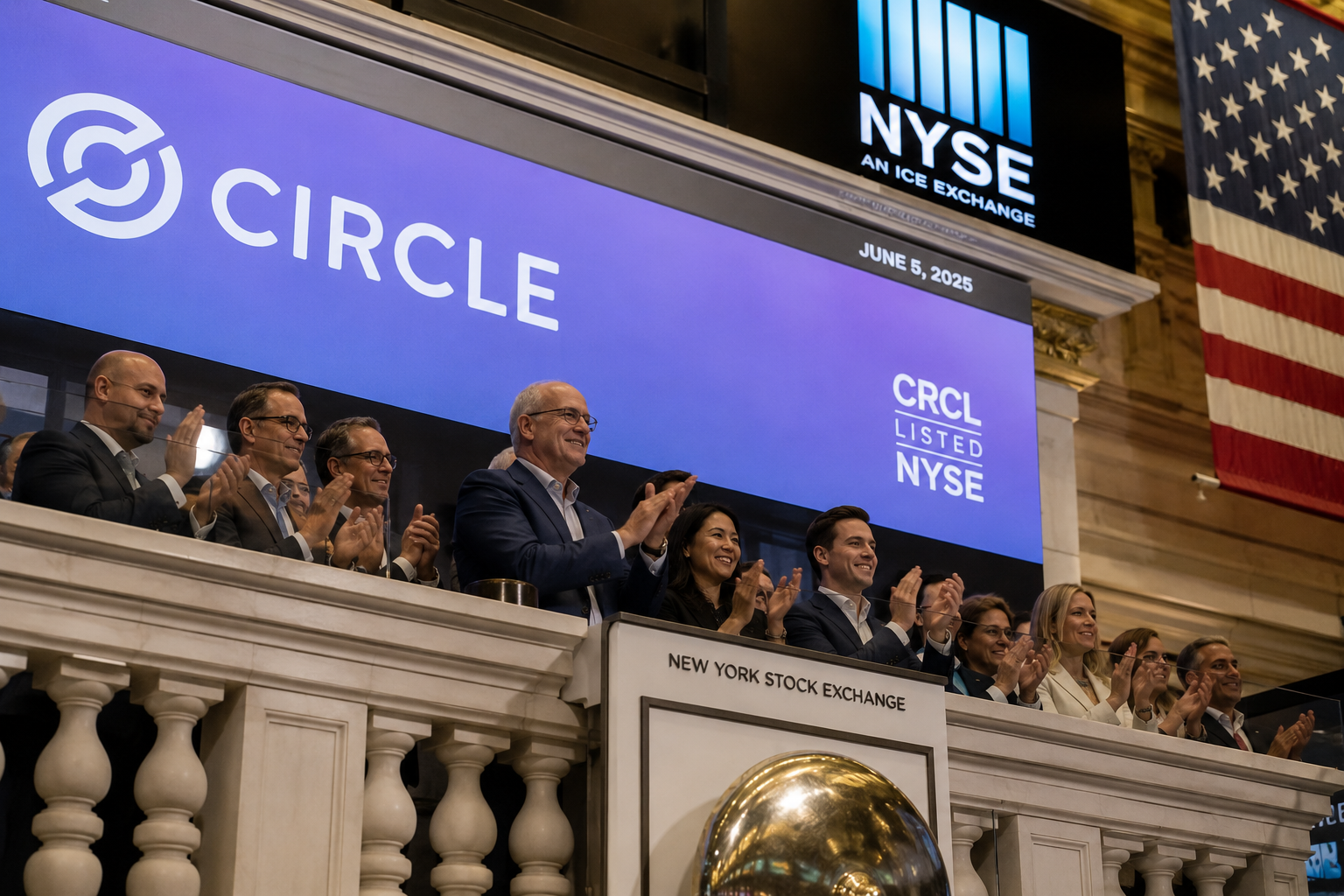
Circle (CRCL) unveiled the first major partners for Arc, its blockchain network designed for stablecoins and tokenized finance. Initial operators include BlackRock (BLK), Visa (V), Mastercard (MA), Intercontinental Exchange (ICE), DTCC, Galaxy, Global Payments (GPN), MoneyGram (MGI), Standard Chartered and Sumitomo. Arc launches publicly on September 16 with about 100 partners already participating.
Circle hopes Arc becomes the foundation for digital payments, tokenized assets and AI-driven financial applications. BlackRock plans to bring its tokenized money market fund onto the network, while DTCC is preparing tokenized traditional assets beginning in 2027.
CryptoQuant also reported that large bitcoin, ether and XRP holders continue accumulating during the current market weakness. Bitcoin whale balances have risen to about 3.06 million BTC, while large ether wallets hold a record 19.6 million ETH.
The research suggests experienced investors are buying, although the firm warned the market has not confirmed a final bottom.
The Verdict
Institutions continue building while whales continue buying. Adoption is moving forward even if prices remain range-bound.
On September 8th, a powerful new law signed by President Trump
will trigger a radical shift in America’s money system...
When a small group of private companies — not the Fed — will perform a major mint of a new kind of money.
And those who act before this new system fully kicks in could see gains as high as 40X by 2032.
But those who fail to prepare will be blindsided by this sea change to the U.S. dollar.
Go here now for the details — before the September 8th mint hits the market.
Wednesday showed how selective this market has become.
The Dow finished higher while the Nasdaq slipped. Nvidia gained after winning a major customer, while SpaceX lost ground after showing how expensive AI has become. Strong revenue no longer guarantees a higher stock price if spending keeps climbing faster than profits.
The macro picture is also becoming harder to ignore. Inflation inside the services sector remains elevated, hiring is slowing, and Fed officials are becoming more vocal about additional rate increases. At the same time, Hormuz negotiations continue pushing oil lower, offering markets one important source of relief.
Crypto is following a different path. Institutions are committing new capital through Circle's Arc network while long-term holders quietly accumulate digital assets beneath the surface.
Friday's payroll report now sits at the center of every market. It will shape expectations for the next Fed move, influence Treasury yields, and determine whether the summer rally has enough support to keep moving higher.
